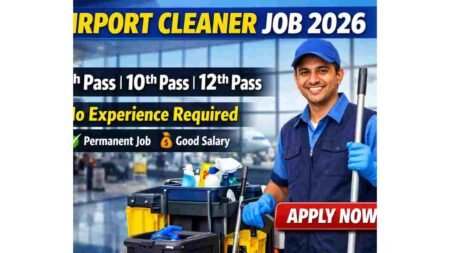
Working abroad is a dream for millions of people who wish to build a better future, earn in foreign currency, and experience global exposure. Yet one common question stops most beginners before they even start applying — is it possible to get a job abroad without experience?
The short answer is yes, it is possible. But the longer answer requires planning, realistic expectations, and understanding which paths truly work.
Many Indian and international professionals begin their careers overseas from entry-level or skill-based positions. Some grow into technical experts, while others shift into management over time.
This article is your complete guide to understanding how beginners can find jobs abroad, what kind of roles are available, which countries welcome first-timers, and how to make yourself employable without prior experience.
1. Why Experience Is Not Always Mandatory
International employers look for three qualities more than a long resume — trainability, reliability, and adaptability.
When a candidate is willing to learn, shows discipline, and can communicate clearly, many companies prefer to train them rather than wait for an experienced worker.
Global Labour Shortage
Across developed nations, ageing populations and declining birth rates have created serious labour shortages. Countries such as Germany, Japan, Canada, and the UAE are expanding visa programs to fill these gaps. Many of these roles do not require prior experience; instead, they offer structured training once you arrive.
Skill Over Experience
Practical ability now matters more than years on paper. Employers want people who can work, learn fast, and fit into global systems. Whether it’s using machines, assisting in healthcare, or handling hotel guests, performance and attitude are valued above past titles.
2. Countries Where You Can Work Abroad Without Experience
Some countries openly hire foreign nationals with little to no professional background, as long as they meet basic eligibility and legal requirements.
Canada
Canada offers several entry-level work permits for foreigners. Sectors such as hospitality, farming, caregiving, and manufacturing hire newcomers each year. Programs like the Seasonal Agricultural Worker Program and Temporary Foreign Worker Program allow Indians to work legally even in their first overseas job.
The advantage is that these roles can later lead to Permanent Residency (PR) if you stay continuously employed.
Germany
Germany’s Job Seeker Visa and Vocational Training (Ausbildung) programs welcome beginners. Under Ausbildung, foreigners receive paid training in trades such as plumbing, hospitality, and healthcare. This combination of study and work builds real European experience while earning a monthly stipend.
United Arab Emirates (UAE)
The UAE has long been a favourite among first-time overseas workers. Industries like construction, cleaning, security, delivery, and hotel services recruit Indian, Nepali, and Filipino workers every month.
Most jobs come with employer-sponsored visas, free accommodation, and medical insurance — making it easy to start even without savings.
Japan
Japan’s Technical Intern Training Program (TITP) allows international candidates to work and learn simultaneously. Sectors such as electronics, food processing, and elderly care hire candidates with no experience, providing them on-job training and a monthly salary.
Singapore
Singapore’s service economy needs young and energetic workers. Entry-level openings exist in logistics, cleaning, hospitality, and customer service. Many companies accept first-timers who can speak basic English and show commitment to long-term work.
3. Job Categories Suitable for Beginners
When you apply without experience, focus on sectors that emphasise skills and reliability rather than formal achievements.
a. Skill-Based and Trade Jobs
These include factory helpers, electricians, welders, machine operators, carpenters, and maintenance assistants. Basic ITI or short-term vocational training in India can make you eligible for such positions abroad.
b. Service-Based Jobs
Jobs in hotels, restaurants, call centres, and cleaning services usually provide training. Employers in these industries mainly assess communication skills and work ethics.
c. Agriculture and Farm Work
Farm labour, fruit picking, greenhouse operations, and dairy assistant roles are regularly open to international workers in countries like Canada, New Zealand, and Denmark.
d. Logistics and Delivery
Warehouses, shipping companies, and courier services hire physically fit candidates for packing, sorting, and dispatch roles. Prior experience is rarely mandatory.
e. Caregiving and Support Work
Ageing populations have increased global demand for caregivers. With basic medical or nursing assistant courses, even freshers can work legally in nations such as Germany and the UK.
4. How to Prepare Before Applying
Even if you have no professional history, proper preparation helps you stand out.
Create a Skills-Focused Resume
Use a functional format that highlights what you can do — not where you have worked. Mention:
- Core skills (communication, teamwork, basic computer knowledge)
- Certificates or short courses
- Volunteering or internship experience
- Languages spoken
Add a short objective such as “Motivated individual seeking international experience and open to training.”
Improve Communication and Language Skills
English is essential for most global jobs. Basic certification through IELTS or TOEIC adds credibility. For non-English countries, learn beginner-level local language — A2 German, basic Japanese, or conversational Arabic can make a huge difference.
Collect All Documents Early
Keep ready: passport, educational certificates, police clearance, and medical reports. A complete file speeds up your visa process once you secure an offer.
Register on Verified Portals
Trusted platforms such as LinkedIn, Indeed, NaukriGulf, JobBank Canada, and MakeItInGermany post genuine listings that accept new entrants. Avoid random social-media job links and agents demanding advance fees.
5. Smart Strategies to Get Hired Without Experience
Start with Internships or Trainee Programs
Paid internships abroad allow you to gain real exposure. Hotel management trainees in Dubai, engineering interns in Germany, and farm trainees in New Zealand all begin without experience.
Volunteer or Apprenticeship Roles
Some NGOs and government programs provide accommodation and basic allowances for volunteers. Teaching-assistant roles or youth exchange programs in Europe can help you gain global references.
Apply for Study-to-Work Routes
Short diplomas in Canada, Ireland, or Australia come with post-study work permits. Studying abroad for even a year allows you to gain international job experience after completion.
Consider Remote Work First
If relocation seems difficult initially, start with remote jobs for global clients. Content writing, customer support, or virtual assistant work builds a portfolio you can later present to foreign employers.
Network with Professionals Abroad
Join expat forums, Telegram groups, or LinkedIn communities. Referrals from people already working in your target country increase your chance of being noticed.
6. Common Challenges and How to Overcome Them
Working abroad without experience is possible, but not effortless. Be prepared for challenges such as cultural differences, competition, and long processing times.
Language and Cultural Barriers
To overcome, learn basic phrases and research etiquette before arriving. Being respectful and adaptable impresses employers quickly.
Limited Initial Pay
Entry-level jobs abroad may not be glamorous, but they provide a starting point. With consistency and additional training, income rises within a year.
Visa and Legal Procedures
Always apply through verified government or embassy channels. Keep digital and printed copies of all paperwork. Never travel on tourist visas for employment purposes.
Physical and Mental Adjustment
New climates, food habits, and work schedules take time to adapt. Stay connected with family and fellow expats for support during the transition.
7. Growth Opportunities After Your First Overseas Job
Once you secure your initial role, your focus should shift to upskilling.
Within one to two years, even an entry-level worker can transition into a supervisory or specialized position by completing additional certifications or language training.
Employers abroad value loyalty and effort. A worker who starts as a cleaner in a hotel can become a room supervisor; a helper in construction can become a site coordinator; a nursing aide can train into a registered nurse.
Every international job builds credibility for future applications.
Also, after a certain period, many countries allow status upgrades — from temporary to permanent residence. Canada’s and Germany’s systems especially reward consistent employment with long-term visa benefits.
8. Realistic Timeline and Expectation Setting
Getting a job abroad without experience is a process, not a shortcut.
A practical timeline looks like this:
| Stage | Duration |
|---|---|
| Researching target countries | 1–2 months |
| Preparing documents and resume | 1 month |
| Applying and waiting for responses | 2–3 months |
| Interview and visa processing | 1–2 months |
| Departure and initial training | 1 month |
Altogether, it can take six to eight months from planning to arrival. Staying consistent through this period is the real challenge.
9. Safety and Legal Awareness
The rise of online fraud has made it critical to verify every step. Remember:
- Genuine employers never ask for large upfront payments.
- Offer letters must include company name, designation, and location.
- Always cross-check agency license on eMigrate.gov.in if applying from India.
- Keep emergency contacts of your embassy once you arrive abroad.
Awareness ensures your first overseas experience becomes an achievement, not a regret.
10. Conclusion
Getting a job abroad without experience is not a myth; it’s an achievable goal for anyone who plans intelligently and stays persistent. The global job market needs motivated people who are willing to learn, respect workplace culture, and commit to growth.
Your first role may be basic, but it will give you what no classroom can — real international exposure. Once you gain that, every next job becomes easier.
Don’t wait for the perfect resume; start building it by taking the first opportunity that aligns with your goals.
Every successful migrant worker today began exactly where you are — with zero experience and a lot of determination.